Lockouts force quick decisions and the most common concerns are what the bill will look like and how soon help will arrive. If you live in Orlando and you want practical pricing ranges, common-sense tips, and a few trade tricks to avoid overpaying, read on. If you need a fast action plan, I include phone questions, simple on-scene checks, and realistic price bands so you are not surprised. 24 hour locksmith
Breaking down the invoice for a lockout call
Most locksmith invoices break down into a trip fee, the time spent on the job, and any materials or replacement parts used. A local mobile locksmith will often quote a smaller trip fee during normal hours and a higher emergency rate at night, with spikes when technicians must travel farther outside core service areas. Simple openings are quick and cost less, but if a locksmith must drill a cylinder, cut a new key, or remove a broken key, labor and parts will add to the bill.
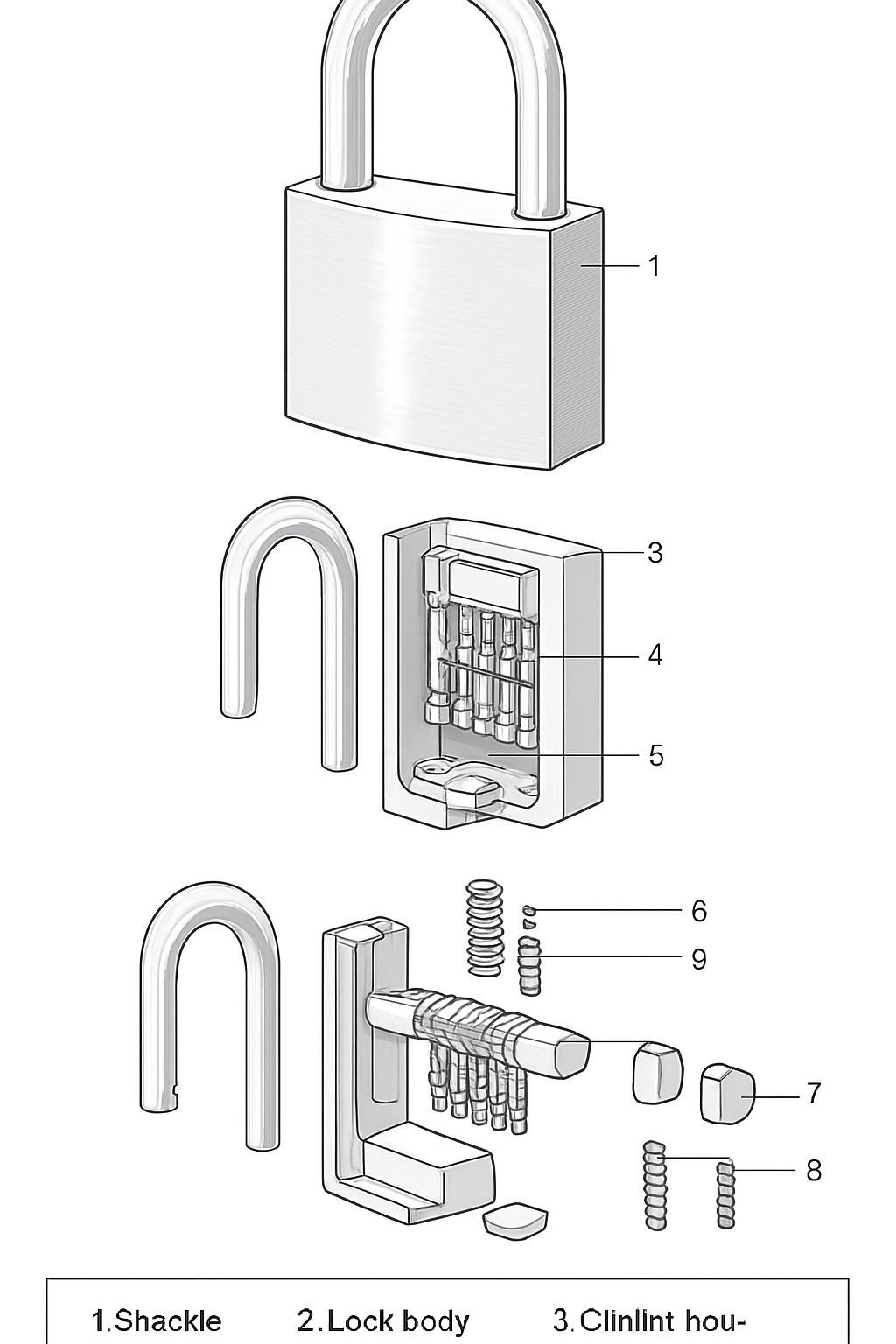
Parts costs vary widely, from inexpensive blank keys or basic cylinders to expensive transponder keys or smart locks that can run several hundred dollars for the component. Always ask to see the part or at least a photo and a price before the technician installs it to avoid unexpected add-ons.
Typical costs for car lockouts in Orlando and what affects them
Most car lockouts are solved without damage, but the vehicle model, presence of transponder keys, and if the key broke in the lock all change the approach and the price. For older cars with mechanical locks, expect a straightforward entry that often costs $50 to $120 during normal hours and more at night. For transponder or smart keys, the locksmith may need to program a replacement or work with a dealer-level tool which can push the price into the $150 to $400 range if a new head or module is required.
What homeowners pay when they get locked out
If the locksmith can open your door without changing hardware, a basic call usually falls in the $60 to $150 range depending on time of day and travel distance. If you want to change who has access without replacing the hardware, rekeying each lock is practical and often cheaper in total than swapping all cylinders. Upgrading to a higher quality lock or an electronic access system increases both parts and labor, but it also improves security and convenience if that trade-off matters to you.
How to judge a quote during an emergency call
When you call a locksmith, clear questions get better upfront estimates and reduce surprises when the technician arrives. Ask whether the price quoted includes tax, whether they accept cards, and if they will give a written receipt showing labor and parts locksmith 24 hours breakdown. If the locksmith says drilling is required without attempting standard opening methods, ask them to demonstrate why those methods will not work or ask for a second opinion.
How to use online tools and old-fashioned checks
You can vet a locksmith fast by checking local reviews, verifying a business phone number, and asking for an ETA and technician name. Shortly before the technician arrives, run a fast search for the company name and read the most recent reviews for their behavior on call-outs and billing transparency. Ask the dispatcher if the technician is licensed or insured and whether they perform background checks on staff, and write down the technician’s name when possible.
Practical alternatives during a lockout
Weigh the safety of your location and the value of time when deciding between a locksmith and a slower alternative like waiting for a household member with a spare key. For car lockouts, a dealership or tow company can also provide entry and key programming but typically at higher cost and longer wait times than a mobile locksmith. Getting a neighbor or family member with a spare key is simple when the timing works, but in many lockout scenarios you do not have that luxury and a quick, qualified locksmith call is justified.
Small actions that prevent big bills
Many preventable costs come from attempts at DIY entry that damage weatherstripping, electronics, or the cylinder, and those costs compound the original problem. A cheap but effective prevention is to have a trusted neighbor or family member hold a spare key, or to attach a micro-locator card to your wallet so you can find spare keys quickly. If you are locked out of a car that uses a fob, keep the fob’s battery fresh and have a backup plan for programming; replacement fobs are more expensive when the internal battery dies and you need programming on top of a new unit.
How to document the job and dispute a suspicious charge
Good documentation eliminates ambiguity and makes it easier to dispute any unexpected or open car doors inflated charges with the company or your payment provider. If you think a charge is unfair, call the company first, explain calmly, and ask for clarification or a manager review; escalate to your bank or a local consumer agency only if necessary.
Phone script and on-scene checklist
Having your address, cross streets, or landmarks ready saves time and reduces call-out distance confusion, and telling the technician the vehicle model helps them bring the right blanks and tools. If you get an ETA and a name, note the license plate of the service vehicle when it arrives and take a photo of the technician’s badge or business card for your records. A reliable local pro who shows up on time, explains work, and invoices transparently will usually be the best long-term value even if their call-out fee is a little higher.
If you keep a calm head, ask the right questions, and pick a verified local mobile locksmith, you will usually avoid surprises and get back into your car or house quickly.